
Product Page Optimization
7 min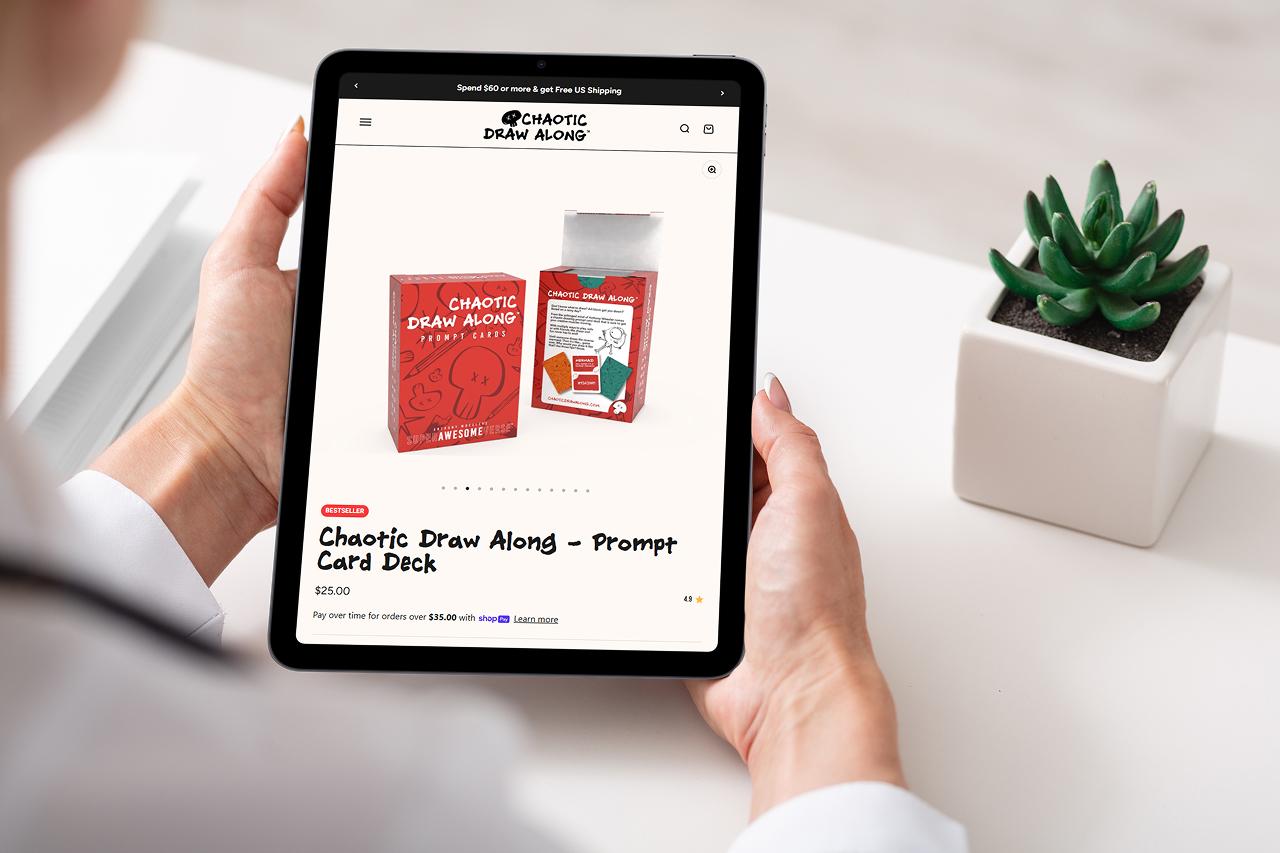
A product page does not need to be complicated to convert. It needs to be clear.
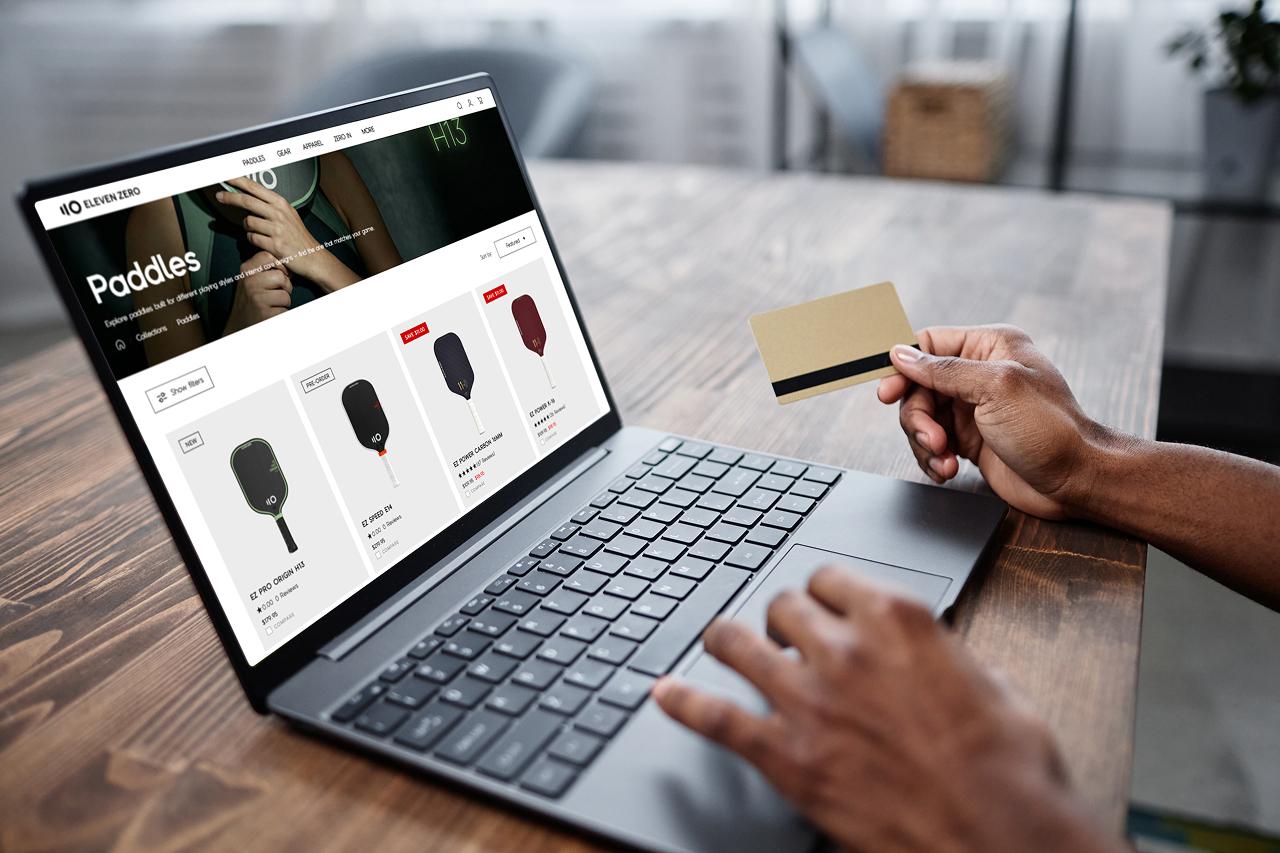
Most PDPs lose sales because they fail at the basics: they don’t explain the value fast enough, they don’t remove hesitation, and they don’t make the next step feel easy. Better product page optimization fixes that.
This guide walks through the improvements that matter most: messaging, trust signals, media, FAQs, mobile UX, and SEO essentials—so more of your product page traffic turns into revenue.
If you’re building the whole store system, start here: ecommerce website development guide.
1) Above-the-fold clarity (first 3 seconds)
- Benefit headline (not just product name)
- One-sentence “why it matters”
- Price + key detail (size/count/material)
- Primary CTA visible without scrolling
- Shipping/returns preview near CTA
If this feels hard, it’s a UX problem: high-converting ecommerce UX/UI.
2) Trust signals (remove purchase anxiety)
- Reviews and star rating near CTA
- UGC/photo reviews if possible
- Clear delivery expectations
- Clear return policy link
- Guarantees (when applicable)
3) Product story that sells (benefits > features)
Use a simple structure:
- What it is
- Who it’s for
- What it helps you do
- What’s included
- Key specs (scannable)
4) Media that reduces uncertainty
- 5–8 strong images minimum (different angles, close-ups)
- Short product video / usage demo (best for conversion)
- Size guide or comparison image
- “In the box” visual if relevant
5) Objection handling (FAQ on the PDP)
Add PDP-specific FAQs:
- sizing/fit
- materials/care
- shipping and delivery
- returns
- compatibility (if relevant)
FAQ content also supports SEO—when structured properly.
6) Offer architecture (increase AOV)
- bundles (“starter kit”, “complete set”)
- frequently bought together
- cart add-ons
- quantity breaks (when margins allow)
For deeper AOV tactics read: how to increase AOV.
7) SEO essentials for product pages
- Unique meta title/description
- Clean URL
- H1 once
- Descriptive headings
- Product schema + Offer schema
For full SEO structure see: ecommerce SEO checklist and technical SEO and performance optimization.
8) Speed + mobile experience
- Sticky add-to-cart on mobile
- Buttons large and tappable
- Image optimisation
- Avoid heavy scripts
If you want PDPs that convert as part of a full ecommerce growth system:
Related:
FAQ
What is product page optimization?
Product page optimization is the process of improving a product page so it converts more visitors into buyers through better messaging, UX, trust signals, media, FAQs, and technical SEO.
What should a product page include?
A strong product page should include a clear headline, product benefits, pricing, strong images, trust signals, delivery and return information, FAQs, and a clear call to action.
How do I make a product page convert better?
Improve clarity, reduce hesitation, add proof, strengthen product storytelling, make mobile buying easier, and ensure the add-to-cart experience is simple.
Does product page optimization help SEO?
Yes. Optimised product pages can improve both conversion rate and organic visibility when they include unique titles, descriptions, schema, and structured content.
Check our Blog
See all

Tell us about your project
Drop us an email, schedule a meeting or fill out our form and we’ll be in touch!