
Brand Identity vs Visual Identity
6 min
If you’re investing in “branding,” you deserve clarity—because branding is one of the most misunderstood purchases in business.
Some teams think branding is a logo. Some think it’s a colour palette. Some think it’s “the vibe.” In reality, branding is the system that makes people:
- Understand what you do quickly
- Trust you sooner
- Choose you more often
- Pay more willingly
- Come back again
This article breaks down brand identity vs visual identity in plain language, explains what deliverables matter, and shows how strong identity directly impacts conversion.
Brand identity vs visual identity (simple definitions)
Brand Identity = Meaning + Direction
Your brand identity is the strategic foundation that makes decisions consistent. It is the combination of:
- What you stand for & who you serve
- What you promise
- How you sound & how you behave
- What you look like (yes, visuals are included—but they’re not the whole thing)
Visual Identity = The Design System People Recognise
Your visual identity is the set of visual building blocks that make you instantly recognisable:
- Logo system: Primary, secondary, icons/marks.
- Typography & Colours: Fonts and palette.
- Layout rules: Grids, spacing, and imagery style.
- Templates: Social media, presentations, ads, and docs.
In one sentence: Brand identity tells people why you matter. Visual identity helps people recognise you instantly.
What brand identity includes (The Strategic Layer)
If you want your brand to convert, you need clarity before design. A strong brand identity typically includes:
- 1) Positioning What category you’re in, what makes you different (not just “quality”), and who you’re for (and who you’re not).
- 2) Messaging framework Your one-sentence value proposition, key benefit pillars, proof points, and objection-handling language.
- 3) Brand personality + voice Tone rules (confident vs playful), word choices to use/avoid, and copy examples.
- 4) Brand story The story that builds trust: what problem you solve, why you exist, and what results look like.
- 5) Experience principles How the brand should “feel” in digital touchpoints (e.g., speed, clarity, boldness).
What visual identity includes (The Design System)
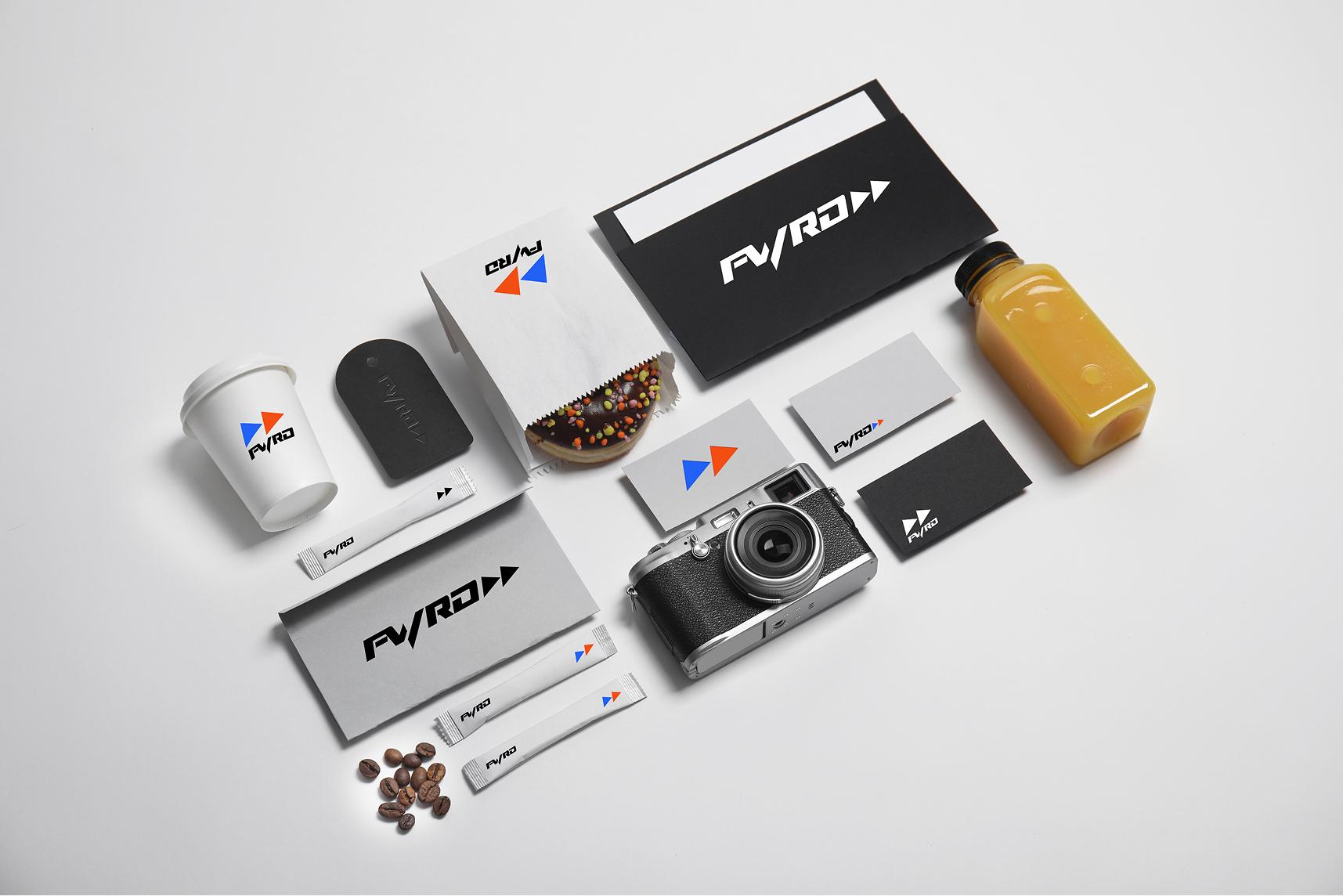
A good visual identity isn’t just “a logo.” It’s a system that scales. Here are the visuals that matter most:
- Logo system: Primary logo, simplified marks for small sizes (favicons), and usage rules.
- Typography system: Headline and body fonts with clear hierarchy (H1/H2/H3).
- Colour system: Primary and secondary palettes with accessibility contrast rules.
- Layout + composition rules: Grids, spacing, and consistent patterns for digital sections.
- Imagery style: Photography mood boards and illustration or icon style guides.
- Templates: Social, slide decks, and ad layout templates to protect consistency.
What you actually need (Decision Guide)
You need brand identity work if:
- People don’t “get it” quickly when they land on your site.
- Your offerings expanded and your message got messy.
- Sales calls are full of confusion and education.
- Your marketing content feels scattered.
You need visual identity work if:
- Your brand looks inconsistent across channels.
- Your design assets feel homemade or random.
- Your logo system doesn’t work at small sizes (social/favicons).
- Your team keeps reinventing visuals every time.
Deliverables checklist (What to ask for)
Brand Identity Deliverables (Strategy):
- Positioning statement (clear and specific).
- Messaging pillars + proof points.
- Tone of voice guidelines + examples.
- Audience overview & brand principles.
Visual Identity Deliverables (Design):
- Logo suite (multiple lockups + icon).
- Typography and hierarchy rules.
- Colour palette + accessibility checks.
- Brand guidelines document (the "Source of Truth").
Bonus (For Conversion Improvement):
- Homepage and core page wireframes.
- CTA and offer messaging recommendations.
Why this impacts conversion (Not just aesthetics)
Brand clarity reduces friction. When people understand you quickly, they stay longer and feel safer contacting you. A weak brand forces visitors to do too much work asking "What do they actually do?" or "Are they legit?"
Strong identity answers those questions instantly—before a user scrolls.
The branding process that works (Simple and Fast)
- Step 1: Discovery: Stakeholder interviews, audience insights, and competitor scan.
- Step 2: Positioning + Messaging: Defining the "Why" and the message pillars.
- Step 3: Creative Direction: Moodboards and reference systems (1–2 directions max).
- Step 4: Visual Identity System: Building the actual logo suite, type, and layouts.
- Step 5: Rollout: Website, ads, and social templates + implementation support.
Common branding mistakes (and how to avoid them)
- Mistake #1: Buying a logo without clarity. Design can’t fix a confused offer.
- Mistake #2: Too many directions. A strong brief prevents infinite revision loops.
- Mistake #3: No guidelines. Without documentation, your brand will drift and become inconsistent.
- Mistake #4: Beautiful brand, weak website. Identity must translate into site structure and copy to see results.
CTA
If you want branding that doesn't just look good—but makes your marketing clearer and your website converts better—start with identity, then build the system.
Explore:
- Branding services
- Website design and UX/UI
- Performance optimisation & SEO (so your new identity is discoverable)
And if you're planning a redesign soon, read our Website Redesign Checklist to avoid losing SEO.
FAQ
Q1: How long does a full branding project typically take?
A: A strategic branding project, including discovery, positioning, and full visual identity, usually takes between 4 to 8 weeks. This ensures we have enough time to test the identity across different platforms like web and social media.
Q2: Can I just get a logo without the full identity system?
A: While we can design a logo, we don't recommend it in isolation. A logo is just one piece of the puzzle; without a typography system, color palette, and messaging, your brand will still feel inconsistent and unprofessional.
Q3: How often should a business refresh its branding?
A: Most successful brands do a "refresh" every 3 to 5 years to stay modern. A full "rebrand" is only necessary if your business model has fundamentally changed or if your current identity no longer attracts your target audience.
Q4: Will a new brand identity help me increase my prices?
A: Absolutely. Branding is about perceived value. A professional, high-end identity signals quality and reliability, making customers more willing to pay a premium compared to a business that looks "cheap" or outdated.
Q5: What is the most important deliverable in a branding project?
A: Beyond the logo files, the Brand Guidelines document is the most important. It’s the "rulebook" that ensures anyone who works on your marketing in the future keeps the brand looking and sounding exactly the same.
If you want branding that doesn’t just look good—but makes your marketing clearer and your website converts better—start with identity, then build the system.
Explore:
- Branding services
- Website design and UX/UI
- Performance optimisation & SEO (so your new identity is discoverable)
And if you’re planning a redesign soon, read our Website Redesign Checklist to avoid losing SEO.
Check our Blog
See all
Tell us about your project
Drop us an email, schedule a meeting or fill out our form and we’ll be in touch!